
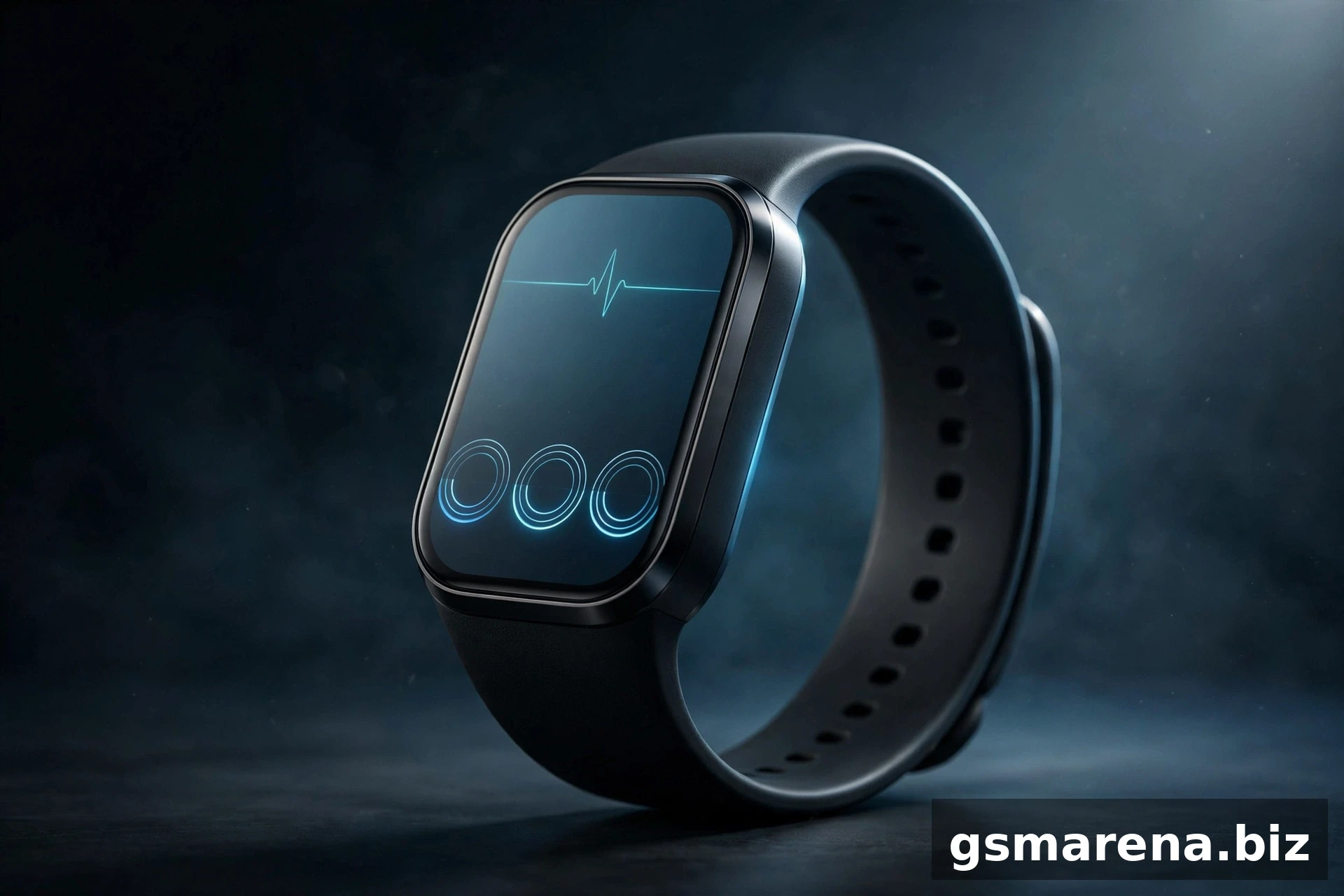
Google Brings the Screen Back to Fitbit With the New Edge
For years, the fitness tracker market has been splitting in two directions. On one side, full smartwatches keep getting more powerful and more expensive. On the other, ultra-minimal bands strip away everything — including the display — in pursuit of simplicity and battery life. Google’s latest move plants a flag right in the middle: the new Fitbit Edge fitness tracker, a device that keeps things light and affordable but refuses to give up the screen.
Announced this week, the Fitbit Edge slots into Google’s wearables lineup between the Pixel Watch 5 and the screenless Fitbit Air. It is, in essence, Google’s answer to a question a lot of buyers have been asking: what if I want the fitness smarts and the glanceable display, but I do not want — or need — a full smartwatch on my wrist?
With a 1.34-inch AMOLED display, a claimed seven days of battery life, serious health sensors including ECG and blood-oxygen tracking, and a $180 starting price, the Fitbit Edge fitness tracker looks like one of the most thoughtfully positioned fitness trackers Google has released in years. Here is the full breakdown.
Launch Overview: Where the Fitbit Edge Fitness Tracker Fits in Google’s Lineup
Google’s wearable strategy has been getting clearer with every release, and the Fitbit Edge completes a three-tier picture. At the top sits the Pixel Watch 5 — the full WearOS smartwatch with apps, deep Google integration, and a price to match. At the bottom is the Fitbit Air, a minimalist band for people who want tracking without any screen at all.
The Fitbit Edge fitness tracker occupies the sweet spot between them. It is lighter and cheaper than the Pixel Watch 5, but unlike the Air, it gives you a proper display — so you can check your stats, see who is calling, glance at a map, or control your music without reaching for your phone.
That positioning matters because it reflects how most people actually use fitness trackers. The hardcore quantified-self crowd will always exist, but the mainstream buyer wants something comfortable, unobtrusive, and easy to read at a glance. A tracker that nails those basics at $180 has a much bigger potential audience than a $350 smartwatch.
Pre-orders are already open in select regions, with general availability starting October 27.
Design and Display: Light, Slim, and Always On
The first thing you notice about the Fitbit Edge fitness tracker is how little of it there is. The aluminum case measures just 11.5mm thick and weighs 17.7 grams without the band — light enough that most people will forget they are wearing it, which is exactly what you want from something meant to track your sleep.
The centerpiece of the Fitbit Edge fitness tracker is the 1.34-inch AMOLED display with always-on functionality. That is a meaningful upgrade over the screenless Fitbit Air and puts the Edge in the same visual league as far more expensive devices. AMOLED means deep blacks and punchy colors, and the always-on mode means your time, stats, or watch face are visible without a wrist flick — a small luxury that makes a big difference in daily use.
Navigation is handled by a physical button on the right side of the case, a deliberate choice that avoids the accidental touches capacitive buttons are prone to during workouts. It is a small detail, but anyone who has fumbled with a touchscreen mid-run will appreciate it.
Color options cover the usual range from understated to warm: Matte Black Aluminum with an Obsidian band, Satin Silver Aluminum with a Fog band, Satin Pyrite Aluminum with an Olive band, and Champagne Gold with a Canyon band. There is also a Stephen Curry Special Edition — a Satin Pyrite Aluminum case paired with a special band — priced at $220, clearly aimed at fans who want their Fitbit Edge fitness tracker with a bit of personality.
The Edge carries an IP68 rating and is water resistant up to 50 meters, so swimming, rain, and sweaty workouts are all fair game.
Health and Fitness Features: Serious Sensors in the Fitbit Edge Fitness Tracker
This is where the Fitbit Edge fitness tracker earns its place. Despite the slim profile and modest price, Google has packed in a genuinely capable health-monitoring suite.
For heart health, the tracker combines a PPG optical heart-rate sensor with electrical sensors for ECG readings — the kind of on-demand electrocardiogram feature that was, until recently, reserved for flagship smartwatches. Blood-oxygen (SpO2) monitoring is handled by dedicated red and infrared sensors, and a far-field skin temperature sensor rounds out the package, useful for sleep analysis and recovery insights.
On the activity side, the Edge supports more than 50 exercise modes with real-time guidance, built-in GPS tracking for phone-free runs and rides, and automatic activity detection for those workouts you forget to start manually. That combination covers everyone from casual walkers to dedicated runners.
The health data flows into Google’s Fitbit ecosystem, which remains one of the best in the business for turning raw sensor readings into understandable trends — sleep scores, readiness metrics, heart-rate zones, and long-term patterns rather than just numbers on a screen.
Battery and Software: Seven Days, No WearOS
Battery life is the Fitbit Edge fitness tracker’s quiet superpower. The 65mAh cell is rated for up to seven days of normal use — roughly triple what most full smartwatches manage. That changes how you use the device: no nightly charging ritual, no battery anxiety before a long run, and uninterrupted sleep tracking night after night. For a fitness tracker, multi-day battery is not a nice-to-have; it is the whole point.
Under the hood, the Fitbit Edge fitness tracker runs on the Ambiq AP5 microcontroller paired with 64MB of NOR flash memory — efficient silicon chosen for longevity rather than raw power. And notably, it does not run WearOS. Instead, Google built a custom tile-based interface inspired by the Pixel Watch, with glanceable complications that surface the information you need.
That software choice is telling. WearOS would have brought apps and complexity — and killed the battery life. The custom interface keeps things focused: Google Maps directions, media controls, call notifications with quick replies, alarms, and timers, alongside core health tiles for steps, weather, sleep, and heart rate. It is a curated experience rather than an open platform, and for a $180 tracker, that is the right call.
Price, Availability, and Verdict: Is the Fitbit Edge Fitness Tracker Worth It?
The Fitbit Edge is available for pre-order now in select regions at $180, with the Stephen Curry Special Edition at $220. General availability begins October 27.
So who should buy the Fitbit Edge fitness tracker? It makes the most sense for three groups. First, anyone who finds smartwatches bulky, expensive, or annoying to charge every night — the Edge is lighter, cheaper, and lasts a week. Second, Fitbit Air owners who like the simplicity but miss having a screen. Third, first-time tracker buyers who want credible health features (ECG, SpO2, GPS) without committing to flagship prices.
Who should skip it? If you want third-party apps, LTE connectivity, or the deepest Google Assistant integration, the Pixel Watch 5 remains the answer. And if you want the absolute cheapest way to track steps and sleep, the screenless Air still exists.
The verdict: Google has identified a genuine gap in its lineup and filled it with a well-judged product. The Fitbit Edge fitness tracker does not try to be a smartwatch — it tries to be the best possible fitness tracker for the money, and on paper, it succeeds. The display, the sensor array, and the seven-day battery hit exactly the notes mainstream buyers care about. At $180, it is easy to recommend.
Frequently Asked Questions
How much does the Fitbit Edge cost?
The standard Fitbit Edge fitness tracker is priced at $180. The Stephen Curry Special Edition costs $220. Pre-orders are open now, with availability starting October 27.
Does the Fitbit Edge run WearOS?
No. Unlike the Pixel Watch 5, the Fitbit Edge fitness tracker uses a custom tile-based interface inspired by the Pixel Watch. This keeps the software focused and helps deliver the 7-day battery life.
How long does the Fitbit Edge battery last?
Google claims up to 7 days of battery life under normal usage from the 65mAh battery — significantly longer than most full smartwatches.
What health sensors does the Fitbit Edge have?
The Fitbit Edge fitness tracker includes a PPG optical heart-rate sensor, electrical sensors for ECG readings, red and infrared sensors for blood-oxygen (SpO2) measurement, and a far-field skin temperature sensor, plus GPS for activity tracking.
Conclusion
The Fitbit Edge is Google’s most sensible wearable in years. It does not chase the smartwatch crown — it refines the fitness tracker formula with a bright always-on AMOLED display, a full suite of health sensors, week-long battery life, and a price that undercuts most of the competition. Slotted neatly between the Pixel Watch 5 and the Fitbit Air, the Fitbit Edge fitness tracker gives mainstream buyers exactly what they have been asking for: the essentials, done well, without the bulk or the premium price tag. If you have been waiting for a Fitbit Edge fitness tracker that gets the basics right, the Edge deserves a long look.
Source: GSMArena